Because of you…

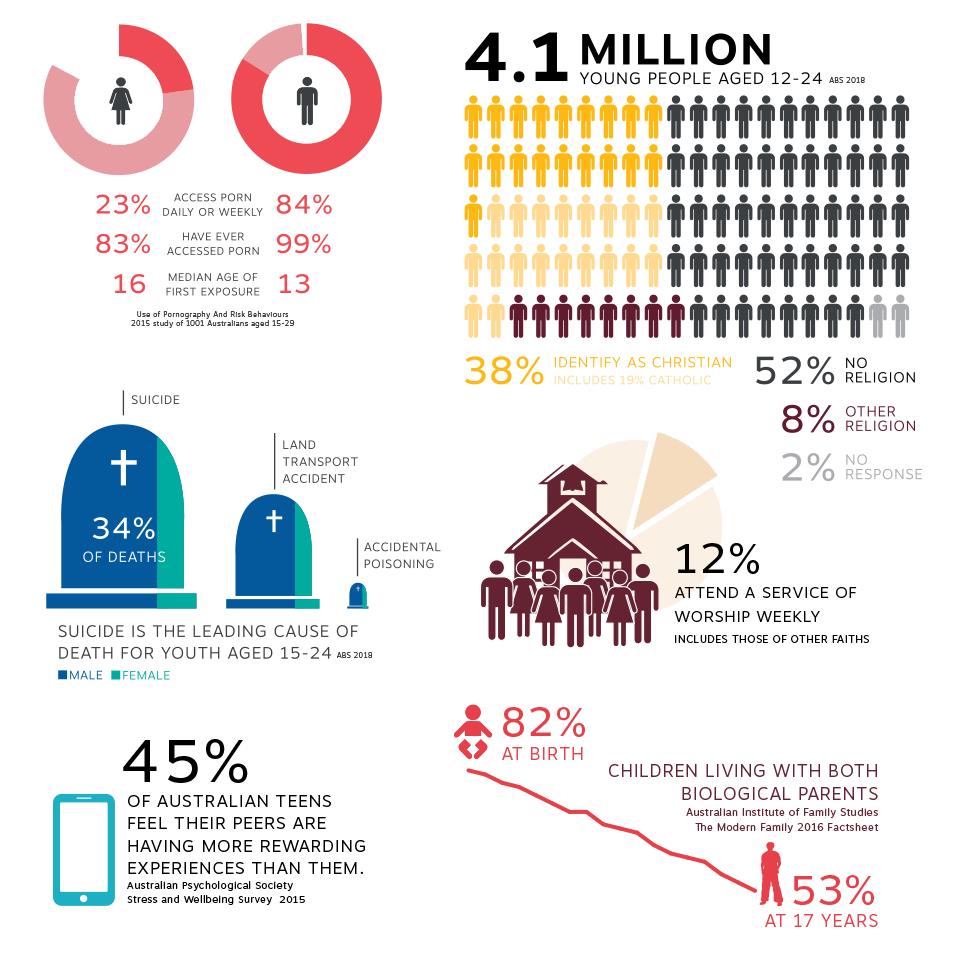
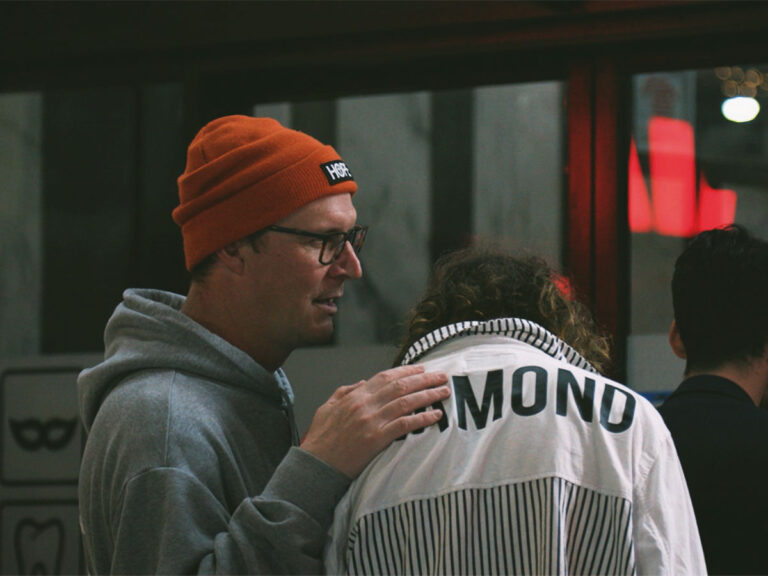
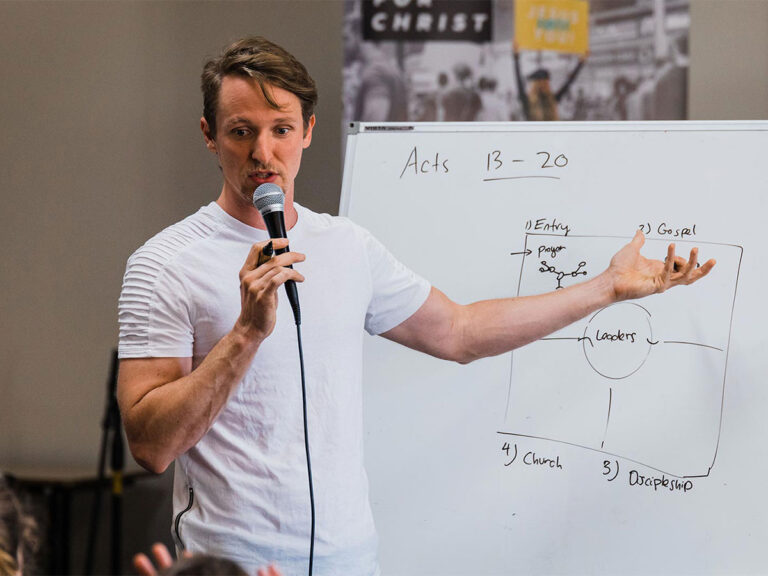
Youth for Christ is 100% committed to every young person in Australia. We want to see them cared for and moving beyond the often tragic circumstances of drug and alcohol abuse, depression, self-harm, sexuality, violence and suicide. But we know that it takes more than just care and compassion to see lives changed. In our experience, it’s only when a young person encounters God and experiences the transforming love of Jesus that they discover their true purpose and identity. That’s when real whole-of-life transformation happens.

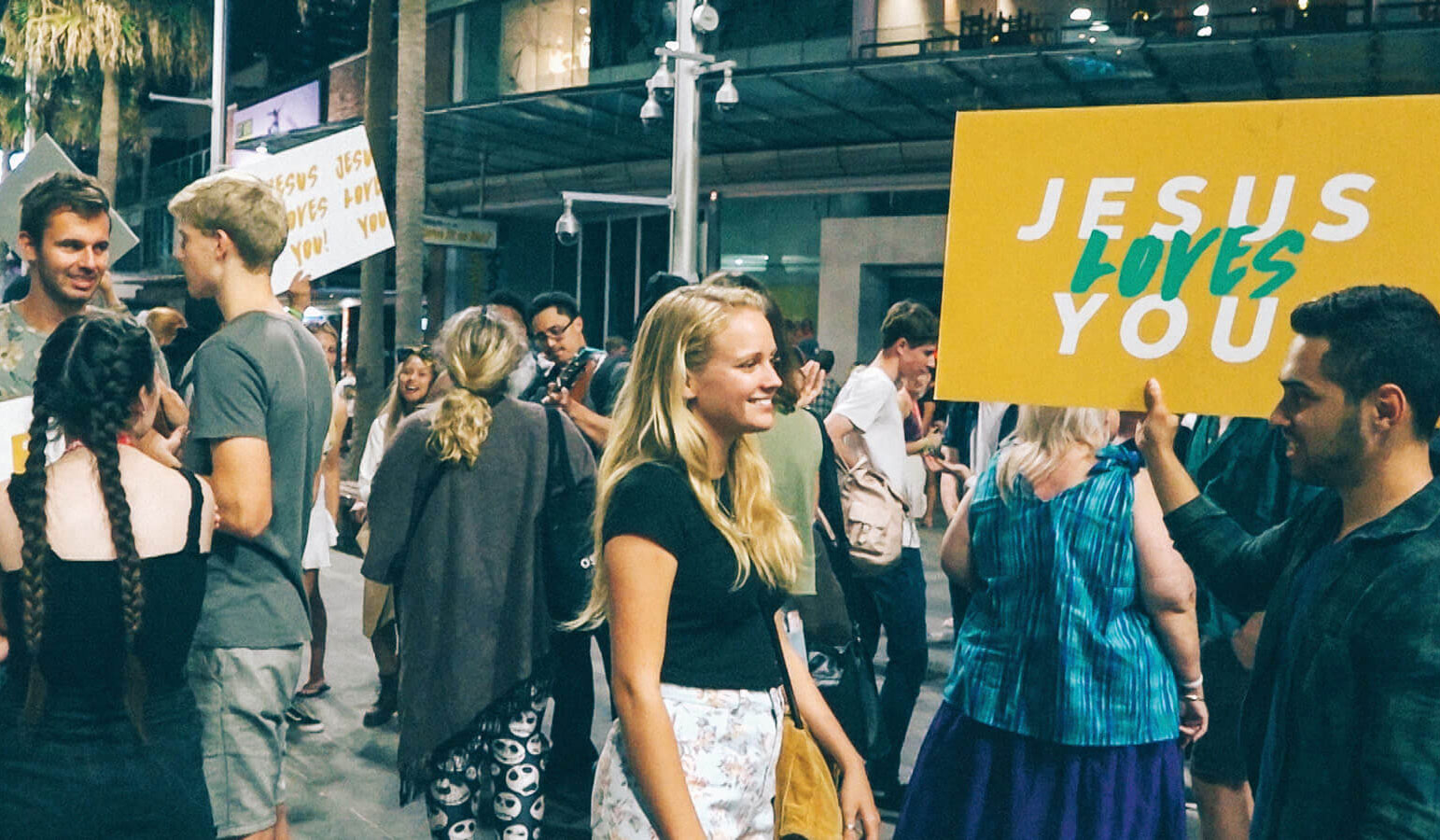
Youth for Christ has 11 regions around the country, with over 100 staff and 1300 volunteers sold-out on reaching young people through schools, care, adventure, events and multimedia. For over 60 years, we have been building genuine, honest relationships with young people. We ‘get’ them and the culture they live in – plus we genuinely like hanging out with them! And given only one in five are ever likely to wander into church, we choose to actively go into their world, sharing honestly about our own lives and giving them an opportunity to find new life in Christ.

Prayer Needs

  • Continued effective ministry to the young in the many types of ministries.
  • Spiritual growth of youth who have come to Jesus.
  • Adequate ministry resources for staff, training and outreaches.
  • Development of an IT department to fully utilize the interntet and other technology in outreaches and support programs.
  • Development and implementation of follow-up and support resources, including an internet discipleship program.

About Australia

Australia

Introduction

Aboriginal settlers arrived on the continent from Southeast Asia about 40,000 years before the first Europeans began exploration in the 17th century. No formal territorial claims were made until 1770, when Capt. James COOK took possession in the name of Great Britain. Six colonies were created in the late 18th and 19th centuries; they federated and became the Commonwealth of Australia in 1901. The new country took advantage of its natural resources to rapidly develop agricultural and manufacturing industries and to make a major contribution to the British effort in World Wars I and II. In recent decades, Australia has transformed itself into an internationally competitive, advanced market economy. It boasted one of the OECD's fastest growing economies during the 1990s, a performance due in large part to economic reforms adopted in the 1980s. Long-term concerns include climate-change issues such as the depletion of the ozone layer and more frequent droughts, and management and conservation of coastal areas, especially the Great Barrier Reef.

Geography

Location

Location: Oceania, continent between the Indian Ocean and the South Pacific Ocean
Geographic Coordinates: 27 00 S, 133 00 E

Area

Total Area: 7,741,220 sq km Rank: 6
Land Area: 7,682,300 sq km
Water Area: 58,920 sq km
Note: includes Lord Howe Island and Macquarie Island
Comparison: slightly smaller than the US contiguous 48 states
Land Boundaries: 0 km
Coastline: 25,760 km

Climate

generally arid to semiarid; temperate in south and east; tropical in north

Terrain

mostly low plateau with deserts; fertile plain in southeast

Elevations

Lowest Point: Lake Eyre -15 m
Highest Point: Mount Kosciuszko 2,229 m

Natural Resources

bauxite, coal, iron ore, copper, tin, gold, silver, uranium, nickel, tungsten, mineral sands, lead, zinc, diamonds, natural gas, petroleum
Note: Australia is the world's largest net exporter of coal accounting for 29% of global coal exports

Land Use

Arable land: 6.15% (includes about 27 million hectares of cultivated grassland)
Permanent Crops: 0.04%
Other: 93.81% (2005)
Irrigated Land: 25,450 sq km (2003)
Renewable Water Resources: 398 cu km (1995)
Total Freshwater withdrawal (domestic/industrial/agricultural): 24.06 cu km/yr (15%/10%/75%)
Freshwater Withdrawal Per Capita: 1,193 cu m/yr (2000)

Environment

Natural Hazards: cyclones along the coast; severe droughts; forest fires
Environmental Issues: soil erosion from overgrazing, industrial development, urbanization, and poor farming practices; soil salinity rising due to the use of poor quality water; desertification; clearing for agricultural purposes threatens the natural habitat of many unique animal and plant species; the Great Barrier Reef off the northeast coast, the largest coral reef in the world, is threatened by increased shipping and its popularity as a tourist site; limited natural fresh water resources
Environmental Agreements: Party to: Antarctic-Environmental Protocol, Antarctic-Marine Living Resources, Antarctic Seals, Antarctic Treaty, Biodiversity, Climate Change, Climate Change-Kyoto Protocol, Desertification, Endangered Species, Environmental Modification, Hazardous Wastes, Law of the Sea, Marine Dumping, Marine Life Conservation, Ozone Layer Protection, Ship Pollution, Tropical Timber 83, Tropical Timber 94, Wetlands, Whaling

Geography Notes

world's smallest continent but sixth-largest country; population concentrated along the eastern and southeastern coasts; the invigorating sea breeze known as the "Fremantle Doctor" affects the city of Perth on the west coast and is one of the most consistent winds in the world

People

Population: 21,262,641 (July 2010 est.) Rank: 55

Age Structure

0-14 years: 18.6% (male 2,026,975/female 1,923,828)
15-64 years: 67.9% (male 7,318,743/female 7,121,613)
65 years and over: 13.5% (male 1,306,329/female 1,565,153) (2010 est.)
Median Age: 36.8 years

Population Growth

Growth Rate: 1.195% (2010 est.) Rank: 112
Birth Rate: 12.47 births/1,000 population (2010 est.) Rank: 164
Death Rate: 6.74 deaths/1,000 population (July 2010 est.) Rank: 144
Net Migration Rate: 6.23 migrant(s)/1,000 population (2010 est.) Rank: 14

Urbanization

Urban Population: 89% of total population (2008)
Rate of Urbanization: 1.2% annual rate of change (2005-10 est.)

Life and Death

Infant Mortality Rate: 4.75 deaths/1,000 live births Rank: 196
Life Expectancy at Birth: 81.63 years Rank: 6
Fertility Rate: 1.78 children born/woman (2010 est.) Rank: 161

Health and Disease

HIV/AIDS - Adult Prevalence Rate: 0.2% (2007 est.) Rank: 92
People living with HIV/AIDS: 18,000 (2007 est.) Rank: 81
HIV/AIDS Deaths: fewer than 100 (2007 est.) Rank: 127

Nationality and Culture

Noun: Australian(s)
Adjective: Australian
Ethnic Groups: white 92%, Asian 7%, aboriginal and other 1%
Religion: Catholic 25.8%, Anglican 18.7%, Uniting Church 5.7%, Presbyterian and Reformed 3%, Eastern Orthodox 2.7%, other Christian 7.9%, Buddhist 2.1%, Muslim 1.7%, other 2.4%, unspecified 11.3%, none 18.7% (2006 Census)
Languages: English 78.5%, Chinese 2.5%, Italian 1.6%, Greek 1.3%, Arabic 1.2%, Vietnamese 1%, other 8.2%, unspecified 5.7% (2006 Census)

Education

Literacy (Meaning, age 15 and over can read and write): 99% Male: 99% Female: 99% (2003 est.)
School life expectancy (primary to tertiary education): 20 years Male: 20 years Female: 21 years (2006)
Education expenditures: 4.5% of GDP (2005) Rank: 85

Government

Country Name

Conventional Long Form: Commonwealth of Australia
Conventional Short Form: Australia
Government Type: federal parliamentary democracy and a Commonwealth realm
Capital: Canberra Geographic Coordinates: 35 17 S, 149 13 E

Administrative divisions

6 states and 2 territories*; Australian Capital Territory*, New South Wales, Northern Territory*, Queensland, South Australia, Tasmania, Victoria, Western Australia
Dependent Areas: Ashmore and Cartier Islands, Christmas Island, Cocos (Keeling) Islands, Coral Sea Islands, Heard Island and McDonald Islands, Macquarie Island, Norfolk Island
Independence: 1 January 1901 (from the federation of UK colonies)
National holiday: Australia Day, 26 January (1788); ANZAC Day (commemorated as the anniversary of the landing of troops of the Australian and New Zealand Army Corps during World War I at Gallipoli, Turkey), 25 April (1915)
Constitution: 9 July 1900; effective on 1 January 1901
Legal system: based on English common law; accepts compulsory ICJ jurisdiction with reservations; accepts International Criminal Court jurisdiction with conditions
Suffrage: 18 years of age; universal and compulsory

Executive Branch

Chief of State: Queen of Australia ELIZABETH II (since 6 February 1952); represented by Governor General Quentin BRYCE (since 5 September 2008)
Head of Government: Prime Minister Julia Eileen GILLARD (since 24 June 2010); Deputy Prime Minister Wayne Maxwell SWAN (since 24 June 2010)
Cabinet: prime minister nominates, from among members of Parliament, candidates who are subsequently sworn in by the governor general to serve as government ministers
Elections: the monarchy is hereditary; governor general appointed by the monarch on the recommendation of the prime minister; following legislative elections, the leader of the majority party or leader of a majority coalition is sworn in as prime minister by the governor general

Legislative Branch

bicameral Federal Parliament consists of the Senate (76 seats; 12 members from each of the six states and 2 from each of the two mainland territories; one-half of state members are elected every three years by popular vote to serve six-year terms while all territory members are elected every three years) and the House of Representatives (150 seats; members elected by popular vote to serve terms of up to three-years; no state can have fewer than 5 representatives)
Elections: half-Senate - last held on 21 August 2010; House of Representatives - last held on 21 August 2010 (the latest a simultaneous half-Senate and House of Representative elections can be held is 2014)
Election Results: Senate - percent of vote by party - NA; seats by party - Liberal/National Party 34, Australian Labor Party 31, Greens 9, others 2; House of Representatives - percent of vote by party - Australian Labor Party 38.1%, Liberal Party 30.4%, Greens 11.5%, Liberal National Party of Queensland 9.3%, independents 6.6%, The Nationals 3.7%, Country Liberals 0.3%; seats by party - Australian Labor Party 72, Liberal Party 44, Liberal National Party of Queensland 21, The Nationals 7, Country Liberals 1, Greens 1, independents 4

Judicial branch

High Court (the chief justice and six other justices are appointed by the governor general acting on the advice of the government)

Politics

Political Parties and Leaders: Australian Greens [Bob BROWN]; Australian Labor Party [Julia GILLARD]; Family First Party [Steve FIELDING]; Liberal Party [Tony ABBOTT]; The Nationals [Warren TRUSS]
Political pressure groups and leaders: business groups; environmental groups; social groups; trade unions
International Organization Participation: ADB, ANZUS, APEC, ARF, ASEAN (dialogue partner), Australia Group, BIS, C, CP, EAS, EBRD, FAO, FATF, G-20, IAEA, IBRD, ICAO, ICC, ICCt, ICRM, IDA, IEA, IFC, IFRCS, IHO, ILO, IMF, IMO, IMSO, Interpol, IOC, IOM, IPU, ISO, ITSO, ITU, ITUC, MIGA, NEA, NSG, OECD, OPCW, Paris Club, PCA, PIF, SAARC (observer), Sparteca, SPC, UN, UNCTAD, UNESCO, UNHCR, UNMIS, UNMIT, UNRWA, UNTSO, UNWTO, UPU, WCO, WFTU, WHO, WIPO, WMO, WTO, ZC
Flag Description: blue with the flag of the UK in the upper hoist-side quadrant and a large seven-pointed star in the lower hoist-side quadrant known as the Commonwealth or Federation Star, representing the federation of the colonies of Australia in 1901; the star depicts one point for each of the six original states and one representing all of Australia's internal and external territories; on the fly half is a representation of the Southern Cross constellation in white with one small five-pointed star and four larger, seven-pointed stars

Economy

Economy Overview: Australia's abundant and diverse natural resources attract high levels of foreign investment and include extensive reserves of coal, iron ore, copper, gold, natural gas, uranium, and renewable energy sources. A series of major investments, such as the US$40 billion Gorgon Liquid Natural Gas project, will significantly expand the resources sector. Australia also has a large services sector and is a significant exporter of natural resources, energy, and food. Key tenets of Australia's trade policy include support for open trade and the successful culmination of the Doha Round of multilateral trade negotiations, particularly for agriculture and services. The Australian economy grew for 17 consecutive years before the global financial crisis. Subsequently, the Rudd government introduced a fiscal stimulus package worth over US$50 billion to offset the effect of the slowing world economy, while the Reserve Bank of Australia cut interest rates to historic lows. These policies - and continued demand for commodities, especially from China - helped the Australian economy rebound after just one quarter of negative growth. The economy grew by 1.5% during the first three quarters of 2009 - the best performance in the OECD. Unemployment, originally expected to reach 8-10%, peaked at 5.7% in late 2009 and fell to 5.3% by February 2010. As a result of an improved economy, the budget deficit is expected to peak below 4.2% of GDP and the government could return to budget surpluses as early as 2015. The Australian financial system remained resilient throughout the financial crisis and Australian banks have rebounded. Australia was one of the first advanced economies to raise interest rates - three times since October 2009 - and the government removed the wholesale funding guarantee for financial institutions in March 2010. During 2010, the government will focus on raising Australia's economic productivity, managing the symbiotic, but sometimes tense, economic relationship with China, passing emissions trading legislation, and dealing with other climate-related issues such as drought and devastating bushfires. Australia is engaged in the Trans-Pacific Partnership talks and ongoing free trade agreement negotiations with China and Japan.

Gross Domestic Product

GDP (purchasing power parity): $851.1 billion (2009 est.) Rank: 18
GDP - real growth rate: 1.3% (2009 est.) Rank: 96
GDP - per capita (PPP): $40,000 (2009 est.) Rank: 19
GDP - Composition by Sector: Agriculture: 4.1% Industry: 26% Services: 70% (2009 est.)

Labor Force

Labor Force: 11.45 million (2009 est.) Rank: 44
Labor force - by occupation: Agriculture: 3.6% Industry: 21.1% Services: 75% (2009 est.)
Unemployment Rate: 5.6% (2009 est.) Rank: 50<

Poverty

Population below poverty line: NA

Transnational Issues

International Disputes: In 2007 Australia and Timor-Leste signed a 50-year development zone and revenue sharing agreement in lieu of a maritime boundary; dispute with Timor-Leste hampers creation of a revised maritime boundary with Indonesia in the Timor Sea; regional states continue to express concern over Australia's 2004 declaration of a 1,000-nautical mile-wide maritime identification zone; Australia asserts land and maritime claims to Antarctica; in 2004 Australia submitted its claims to Commission on the Limits of the Continental Shelf (CLCS) to extend its continental margins covering over 3.37 million square kilometers, expanding its seabed roughly 30 percent more than its claimed exclusive economic zone; since 2003, Australia has led the Regional Assistance Mission to the Solomon Islands (RAMSI) to maintain civil and political order and reinforce regional security

Want to know more? Show Full Profile